The Lowrance HDS-16 Live has been sitting at the intersection of serious fishing and real navigation capability since it launched, and in 2026 it still earns a spot on our recommended list — especially now that the price has come down as HDS Pro took over the flagship slot. If you want a 16-inch multifunction display that handles live sonar, offshore navigation, and tournament-grade sonar without requiring a second mortgage, this unit is worth a serious look.
We've run HDS Live units on center consoles from Florida to New York, mounted them on walleye boats in the Great Lakes, and handled warranty returns when things went sideways. Here's what we actually know.
What the HDS-16 Live Actually Is
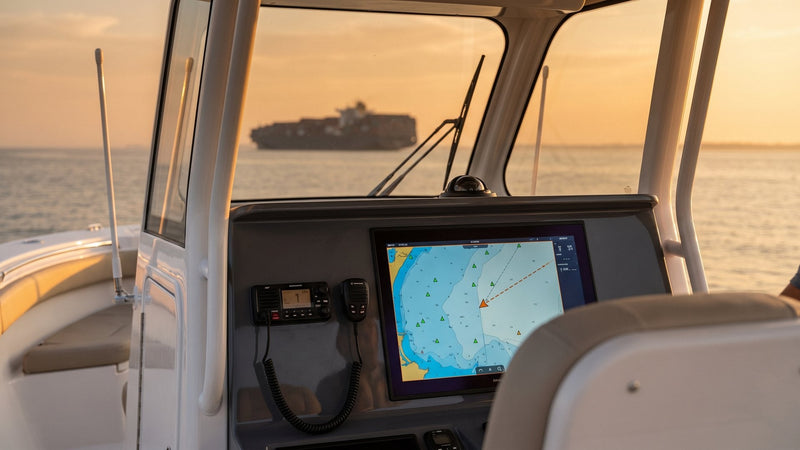
The HDS-16 Live is a 16-inch multifunction display built around Lowrance's SolarMAX touchscreen and their Active Imaging 3-in-1 sonar system. It handles chartplotting, CHIRP sonar, SideScan, DownScan, and live sonar (via the LiveSight transducer, sold separately). It runs on NMEA 2000 and Ethernet, integrates with autopilot systems, and has built-in wireless via Wi-Fi and Bluetooth.
C-MAP Contour+ charts are baked in — no subscription required, which is one of the underappreciated things about this unit. You get solid coastal and inland chart coverage without paying annually for it.
By 2026, Lowrance has the HDS-16 Live sitting at $1,699 (street price), down noticeably from its original launch. The HDS Pro 16 runs closer to $2,659 and adds some processing speed and newer software features. For most anglers and coastal boaters, the HDS Live still gets the job done at a considerably lower entry point.
Screen and Interface
The SolarMAX display is 16 inches diagonal with a 1920×1080 resolution, and it's genuinely one of the better daylight-readable screens in this price range. We've used it in direct Florida sun at 2 PM — it's readable. Not Garmin Ultrascroll levels of brightness, but solid.
Touch response is good when dry. In rain or with wet hands, it gets inconsistent, like most touch-based marine displays. There's a volume and power knob on the side for quick adjustments without smearing the screen, which we appreciate. The software runs Lowrance's familiar interface — anyone who's used an HDS unit in the last five years will be up and running in under 30 minutes.
The split-screen capability lets you run chartplotter alongside sonar, or CHIRP alongside SideScan. At 16 inches, you have enough real estate to actually see both panels without squinting. Smaller units (the 9-inch HDS Live) get cramped fast in split-screen mode — the 16-inch genuinely earns its keep here.
Heads up: The menu navigation takes ~30 minutes to get comfortable with if you're coming from a Garmin or Simrad background. The logic is different, not worse — just different. Give yourself some time before your first trip.
Sonar: The Real Story
Active Imaging 3-in-1 is the core sonar package — it covers CHIRP broadband (traditional), SideScan, and DownScan in a single transducer bundle. The included Active Imaging transducer reads to 1,500 feet in deep water, handles SideScan coverage out to 150 feet per side at 455 kHz, and delivers clean DownScan images in the 30–100 foot range where most freshwater fishing happens.
For bass and walleye fishing, the DownScan clarity is excellent. You can see brush piles, rock structure, and suspended fish with enough detail to make decisions — not just blobs. The CHIRP reads fish arches cleanly at moderate depths. We've used this unit for ice-out walleye fishing in April on Lake Erie where structure detail in the 25–45 foot range matters enormously, and it delivers.
The unit supports High CHIRP, Medium CHIRP, and Low CHIRP depending on which transducer you run. Pair it with an Airmar B265LH through-hull and you're getting reliable depth readings at 2,000+ feet in clear water. We've used it for swordfishing trips where bottom reading at depth matters — it performs.
Real Failure Mode to Know
The stock Active Imaging transducer starts losing bottom lock above about 22 MPH. For bass boats running to spots at 65 mph, you're not reading bottom while running — expected. Sustained trolling at 8–10 knots? The stock transducer handles it fine. Faster than that on a planing hull, you need a through-hull setup or an Airmar pocket transducer designed for high-speed reading.
LiveSight: Is It Worth Adding?
LiveSight is Lowrance's live sonar system — their answer to Garmin Livescope. The LiveSight Live Sonar transducer runs $649 separately. It gives you real-time 10 fps imaging of what's happening around and below your boat, including watching fish respond to your bait in real time.
Compared to Livescope Plus (which runs on Garmin units), LiveSight is roughly competitive at similar price points. Garmin's image processing has a slight edge in definition at distance, but LiveSight holds its own for the 0–40 foot range where most bass fishing live sonar work happens. If you're already invested in the HDS Live ecosystem, adding LiveSight is a straightforward upgrade — same mount arm, same network, no additional black box required.
The HDS Live + LiveSight bundle ends up at around $2,350 all-in, which undercuts most Humminbird Solix live sonar configurations. If you're starting fresh and live sonar is your primary decision driver, run the numbers — this setup delivers serious capability at a competitive price point.
Navigation Capabilities
People tend to think of the HDS Live as a fishing unit, but the navigation package is solid enough for coastal and nearshore offshore work.
C-MAP Contour+ delivers useful inland detail — contour lines every foot in most mapped lakes, plus coastal chart coverage that holds up for day cruising and nearshore fishing. For offshore work beyond 30 miles, we'd still recommend pairing it with Navionics Platinum+ (compatible via SD card, $159/year) for better offshore depth data and hazard coverage. Understanding how NMEA 2000 networking works will help you get the most out of this unit.
The unit supports NMEA 2000 networking, so you can pull in engine data, tank levels, and autopilot control from a single screen. We've integrated HDS Live units with Simrad autopilots via NMEA 2000 without issues — the standard is the standard. Routing, waypoint management, and track recording all work as expected.
Ethernet networking lets you run two HDS units with shared sonar — one at the helm, one at the bow — without running a second transducer cable. That's a legitimate money-saver on dual-station setups.
Who Should Buy the HDS-16 Live in 2026
✅ Buy it if:
- You want a 16" MFD with live sonar potential under $1,700 base
- You're a serious freshwater angler wanting DownScan + SideScan without HDS Pro pricing
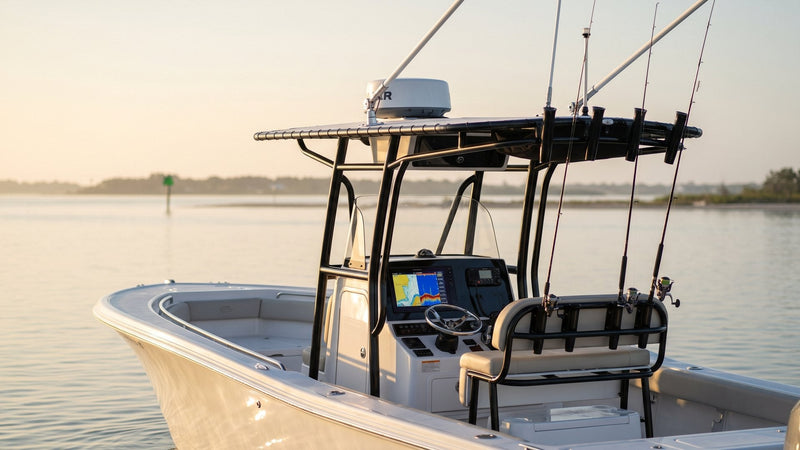
- You run a center console or bay boat under 28 feet
- You're building a dual-station setup wanting Ethernet-shared sonar
❌ Skip it if:
- You're primarily offshore beyond 50 miles — HDS Pro or Garmin GPSMAP 9000 is better
- You need absolute fastest SideScan processing at high speed
- You have heavy Garmin ecosystem investment — switching rarely pencils out
Comparison: HDS-16 Live vs. the Competition
| Feature | Lowrance HDS-16 Live | Garmin GPSMAP 9016 | Humminbird Solix 15 G3 |
|---|---|---|---|
| Street Price | ~$1,699 | ~$2,299 | ~$1,999 |
| Screen Size | 16" | 16" | 15.4" |
| Sonar Included | Active Imaging 3-in-1 ✅ | None (add transducer) ❌ | Mega Imaging+ ✅ |
| Live Sonar | LiveSight (+$649) | Livescope Plus (+$999) | Mega Live (+$749) |
| Built-in Charts | C-MAP Contour+ | BlueChart g3 | Navionics+ |
| Networking | NMEA 2000 + Ethernet | NMEA 2000 + Garmin Marine Network | NMEA 2000 + Ethernet |
| Best For | Value + fishing sonar | Chart quality + speed | Shallow structure detail |
Installation Notes
The HDS-16 is available in bracket-mount, in-dash flush-mount, and through-glass configurations. For in-dash installs, the unit is 15.3" wide × 9.2" tall × 2.9" deep — verify your dash clearance before ordering. Power draw is 18W typical, 25W max, so a 20A circuit with a proper fused run from the battery is standard.
NMEA 2000 connection is a single drop off the backbone. Ethernet to a second display is a standard RJ45 marine network cable. The transducer runs a 20-foot cable standard — long enough for most console installs, might need an extension on larger boats.
Install tip: The HDS-16 Live requires a separate power cable for the sonar module on some configurations. Check the box contents before your install day — don't find out at the dock that you're missing a cable.
Bottom Line
Our Verdict: 4.2 / 5 ⭐⭐⭐⭐
At $1,699 in 2026, the Lowrance HDS-16 Live gives you a genuinely capable 16-inch multifunction display with solid fishing sonar, dependable navigation, and a path to live sonar for around $2,350 total. It's not the newest unit on the market — the HDS Pro has taken over as Lowrance's flagship — but it's not a compromised choice either. We'd put it on a 24-foot center console without hesitation.
If you're deciding between this and a 12-inch unit: get the 16 if your helm has space. Split-screen on a 12-inch gets old fast when you're running charts and sonar simultaneously.
Related Guides from NVN Marine